
Slurp Season
Posted: | Categories: Substack Archives | Tags:substackIt’s finally soup season! I’ll be making soup every week (okay, more like multiple times a week) for the foreseeable future. Join me!
Over the past two decades, I’ve learned that what we put in our bodies matters way more than what we put on our bodies. It’s why I’m obsessed with creating soups that aren’t just comforting, but packed with all the nourishing, delicious ingredients that leave you feeling full and satisfied. After all, food should be something you look forward to—and soup can absolutely be a meal that checks all those boxes.
Today, we’re diving into my ultimate guide to soup-making. I'm sharing some of my favorite recipes plus tips and tricks for making soups that are cozy, nutritious, and filling.
Here’s what you’ll learn:
Soup Basics ft. my Quick Veggie Soup
How to Make Bone Broth (don’t worry, it’s easy!) with a handy Bone Broth Cheat Sheet
Brothy or Blended? ft. a foolproof You-Can-Do-It Tomato Soup
-
How to Make a Soup a Meal ft. Mini Meatball & Dumpling Soup

How to Make Soup
There’s no wrong way to make soup—creamy, cheesy, brothy, spicy, or slurpy—it’s all good! But if you’re looking for that perfect balance of cozy broth, tons of veggies, and big, bold flavor, you’ve got to try my go-to slurpy soup (recipe below). It's super customizable, so you can swap in your favorite ingredients and flavors to make it your own.

Here’s my basic guide to creating any homemade brothy soup:
(Optional) If you’re using chicken or beef for your soup, sear it first. It doesn’t have to be cooked all the way, you just want nice browning and some fat rendered. Remove it from the pot.
If you aren’t using meat, add a bit of oil to the pot and add the mirepoix (chopped onion, celery, carrots). If you did cook meat, cook the mirepoix in the rendered fat (flavor!). Season as you go!
Add the garlic and cook just until aromatic, about a minute. If you want to add any additional spices or hearty herbs, this is a great time to add them.
Add any veggies that you want to cook down—mushrooms, broccoli—and cook for a few minutes.
Pour in the broth and bring to a simmer.
(Optional) If you’re using meat, add it back to the pot. Let cook for 10-20 minutes to let the flavors meld.
Add your grain of choice once the broth comes to a simmer, along with any softer veggies like zucchini and chopped kale. This is also a great time to add tofu. Cook until both are tender. Another reminder: taste and season as you go!
(Optional) If you’re using chicken, remove it from the pot, shred it, and return the meat to the soup. Save the bones for stock!
Finish the soup with a swirl of coconut milk, fresh herbs, or scallions and cozy up with your finished product. What’s your favorite soup combination? Here’s one of mine:
How to Make Bone Broth
We’re officially in the season of roast chickens and slow-cooked meats—which means it’s time to make space in your freezer for bones and veggie scraps! Whenever you make roast chicken (yes, rotisserie counts), ribeye, or any meat on the bone, save those bones. The same goes for your carrot peels, onion ends, and celery tops. Pop them into a freezer bag, and once you’ve got a stash, simmer them down into the most delicious, nutrient-packed broth. Pro tip: Make sure to rinse your veggies first—you want bone broth, not dirt broth!
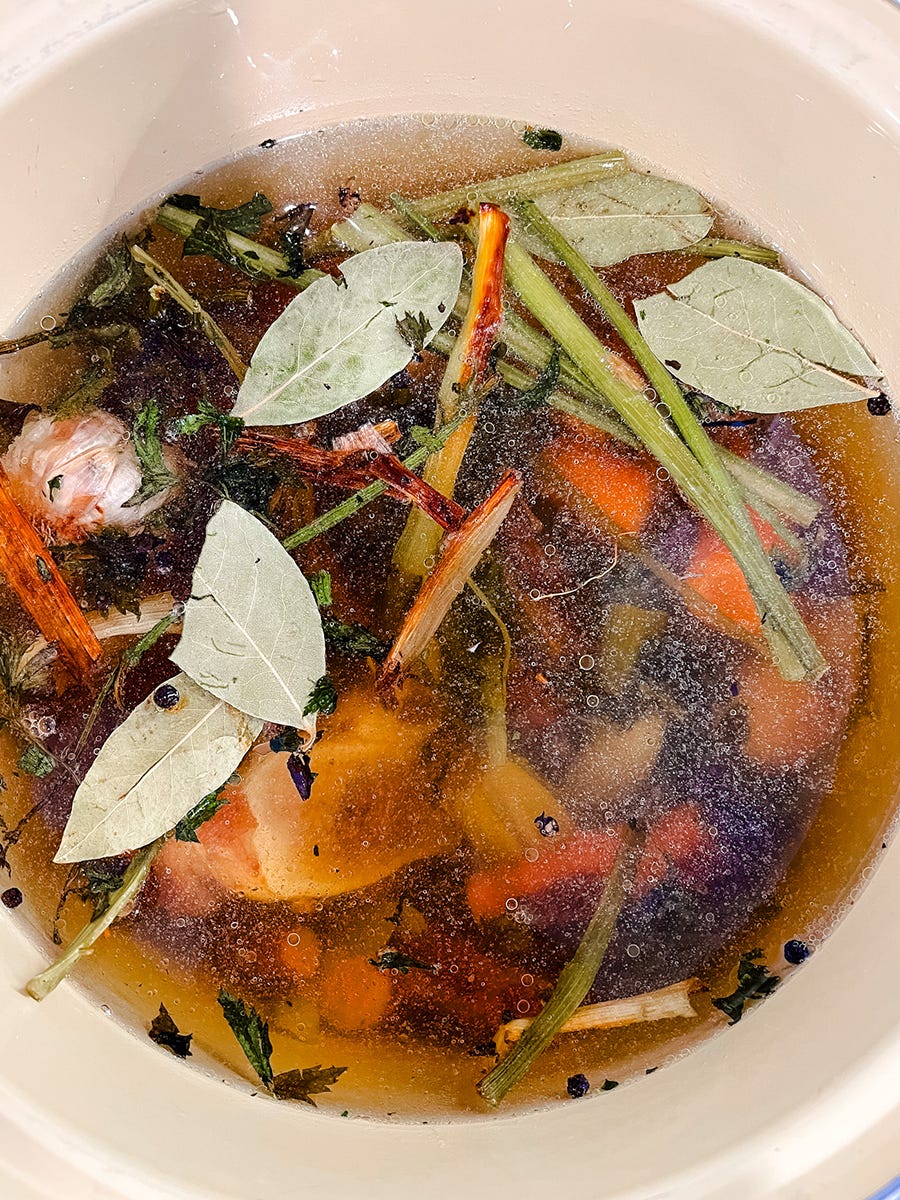
What to Save:
Animal Bones (chicken, beef, etc)
Onion Scraps: Any color or variety; save the skin, roots, and any part you don’t cut (including shallots, leeks, etc. Make sure leeks are clean!!)
Carrot Scraps: Peels and tops
Celery Ends
Mushroom Stems (cleaned)
Garlic Scraps & Paper
Ginger
Herbs & Herb Stems
What Not to Save:
Potato Peels
Squash Scraps
Pepper Scraps
Anything molded (for obvious reasons)
Print this out and stick it on your fridge! You’ll never schlep pounds of broth home from the store again.

Brothy or Blended?
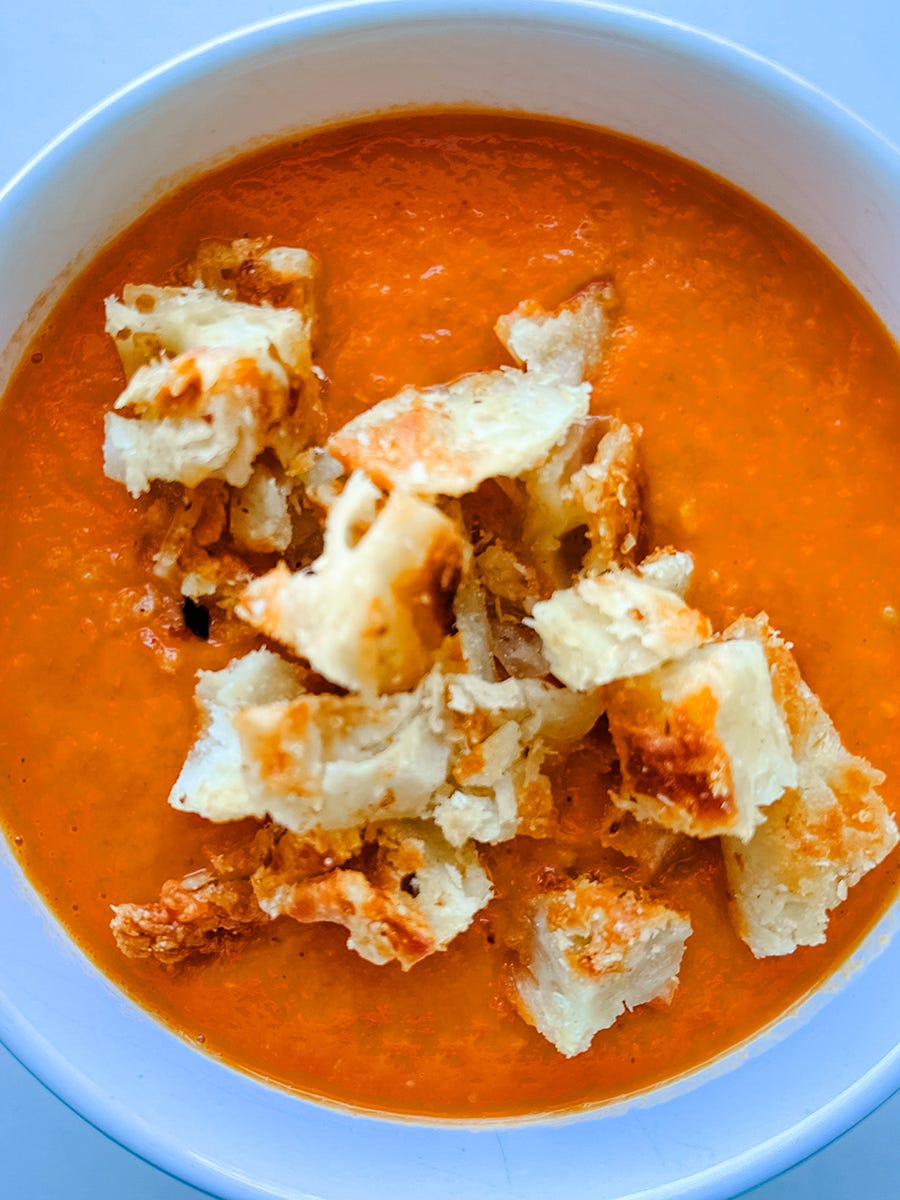
Blended soups often come too close to baby food for my liking. There are a few exceptions, one of which is this incredible (and incredibly easy) sheet pan soup. The key? Make sure you add enough broth so it's perfectly thin and silky, not too thick. A crunchy topping is a must, too! (Or go old-school and serve it with grilled cheese). This trick works great for tomato and pepper soups—and don't be afraid to sneak in extra veg (like with my magic sauces). Trust me, no one will notice a hidden carrot or two!
How to Make a Soup Filling
This part is everything! If you want your soup to truly satisfy, you've got to pack it with a protein or a grain—or both! It's what turns a simple soup into a full meal. Your favorite meatball recipe is a great addition to any soup - just roll them smaller they fit perfectly on your spoon. It's a little extra effort, but worth it!
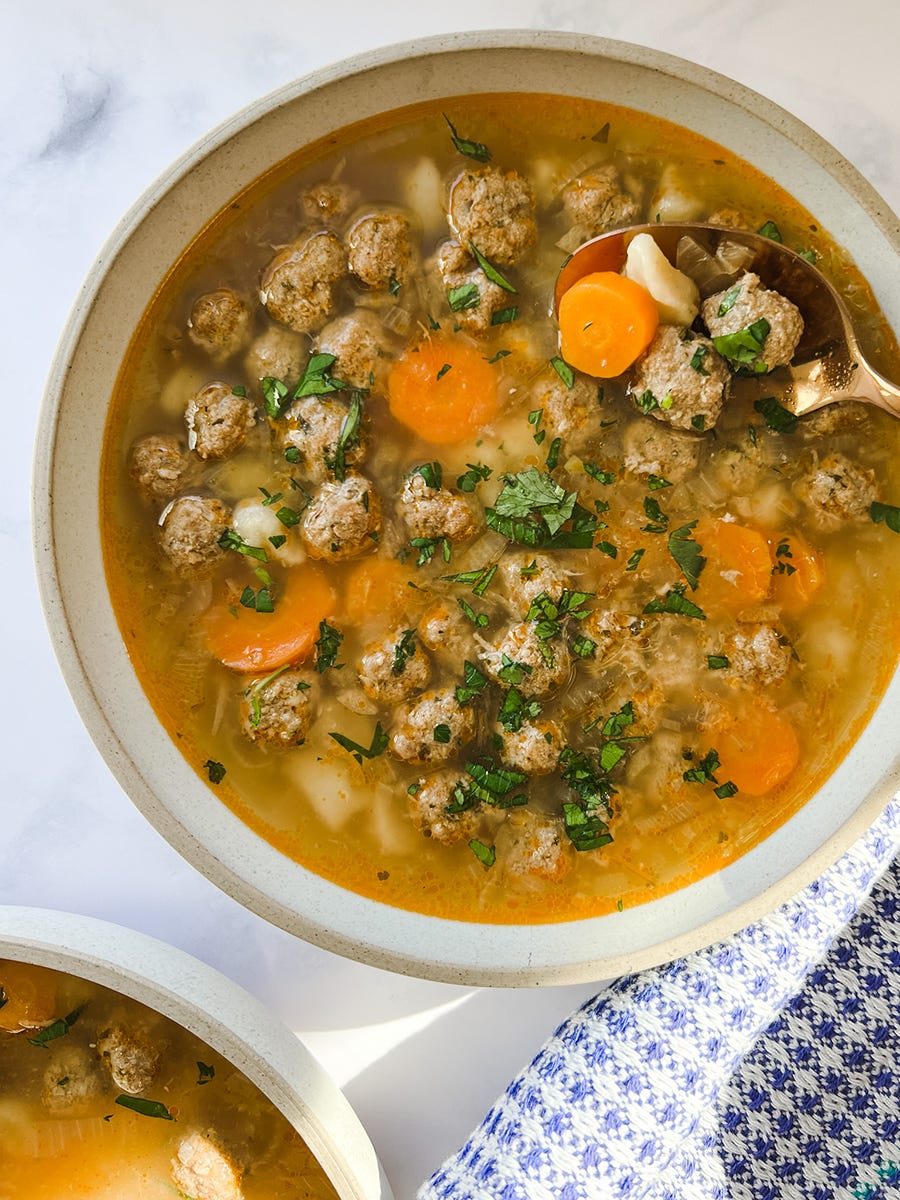
Here are a few of my favorite filling soup inclusions—mix and match to create your favorite combination.
Proteins:
Shredded Chicken
Ground Beef
Meatballs
Chicken Meatballs
Beans
Egg
Grains:
Rice
Rice Noodles
Pasta
Couscous
Farro
Dumplings or Gnocchi
And here’s a recipe to get you started!

All three soup recipes plus your broth cheat sheet can be downloaded here. What deep dive do you want to see next?