
How to Cook Grains
Posted: | Categories: Substack Archives | Tags:substackI try to include a green, a grain, and a protein in every meal. Grains are great. My favorite way to eat carbs is with whole grains, usually rice, quinoa, farro, or bulgur. There’s such a wide variety of grains that add delicious flavors, textures, and nutrients to any meal.

On Wednesday I shared a few of my favorite fall salads, and this is the guide you need to go with it. It has cooking instructions for my go-to grains (without any separate appliances!!), a printable guide to stick on your fridge, plus a little insight into why each one is so great. This is the kind of content paid subscribers get every Wednesday, so if you’re thinking about joining us, here’s a little taste.
If you’re like me and always need to look up how to cook grains, having this guide on your fridge will make your life so much easier.
PS - If you ever have a question about your subscription or need help with anything, please reach out to theperfectbite@bakedbymelissa.com. We’re here for you!!

Aviator Nation is having a 20% off sale right now. I only buy them on sale!
I shared my new jewelry on Wednesday, but want to tell you about it again! Just got a chain necklace, a charm necklace, and a ring.
Just got a new Apple watch, still using this band.
My toothbrush is almost $100 off for Prime Day (!!).
Here are a few brands that share the love with discount codes:MELISSA10 - 10% off your first order at GroundUp
BAKEDBYMELISSA10 - 10% off at Supergoop
MELISSA20 - 20% off Algae Cooking Oil

Rice
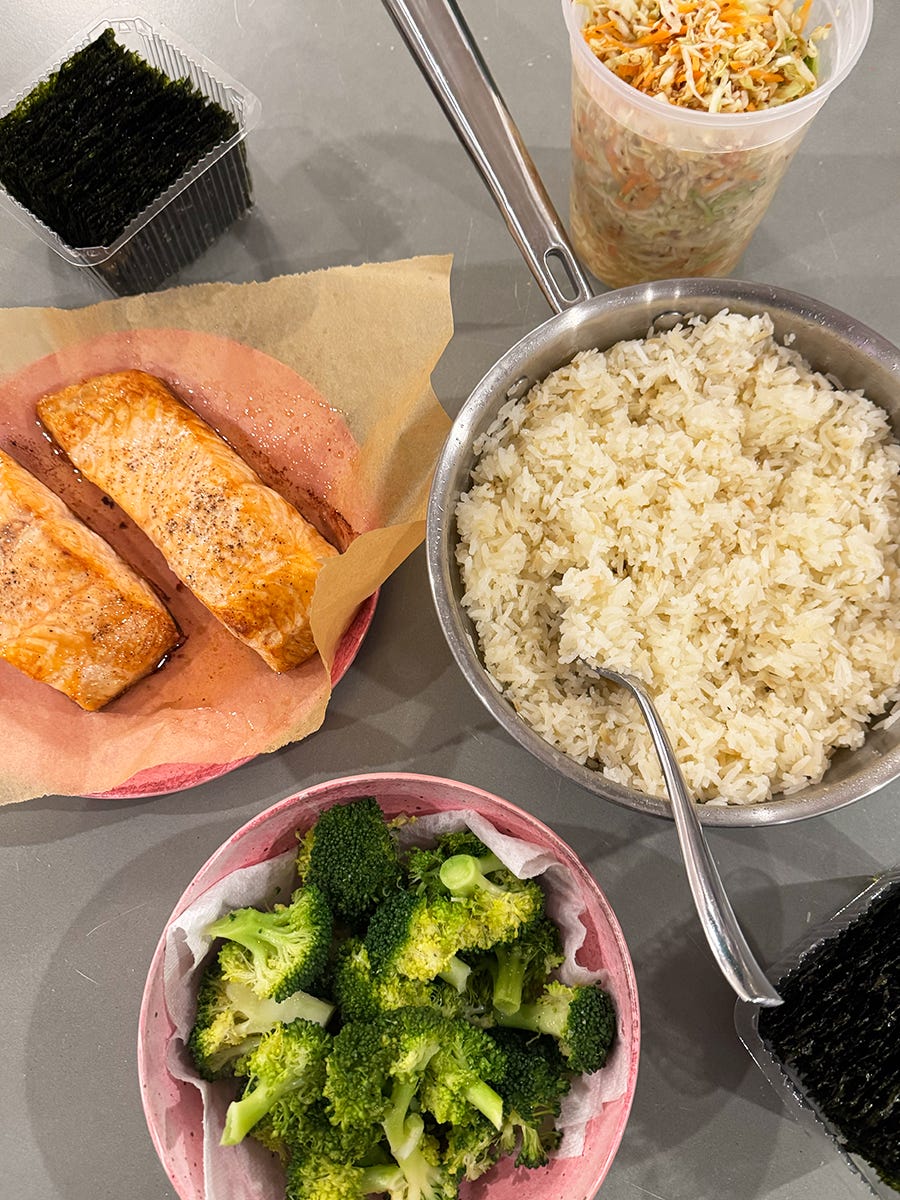
We make rice all the time to eat with salmon and broccoli. It’s the perfect weeknight meal (we have it at least once a week). Some nights we use leftover takeout rice, others we make it. No rice cooker needed! Brown rice is a great swap for farro if you need a gluten-free alternative in grain salads—it gives you a similar chew.
Benefits: Gluten-free; white rice contains easily digestible carbs, brown rice has more fiber and B vitamins
Quinoa
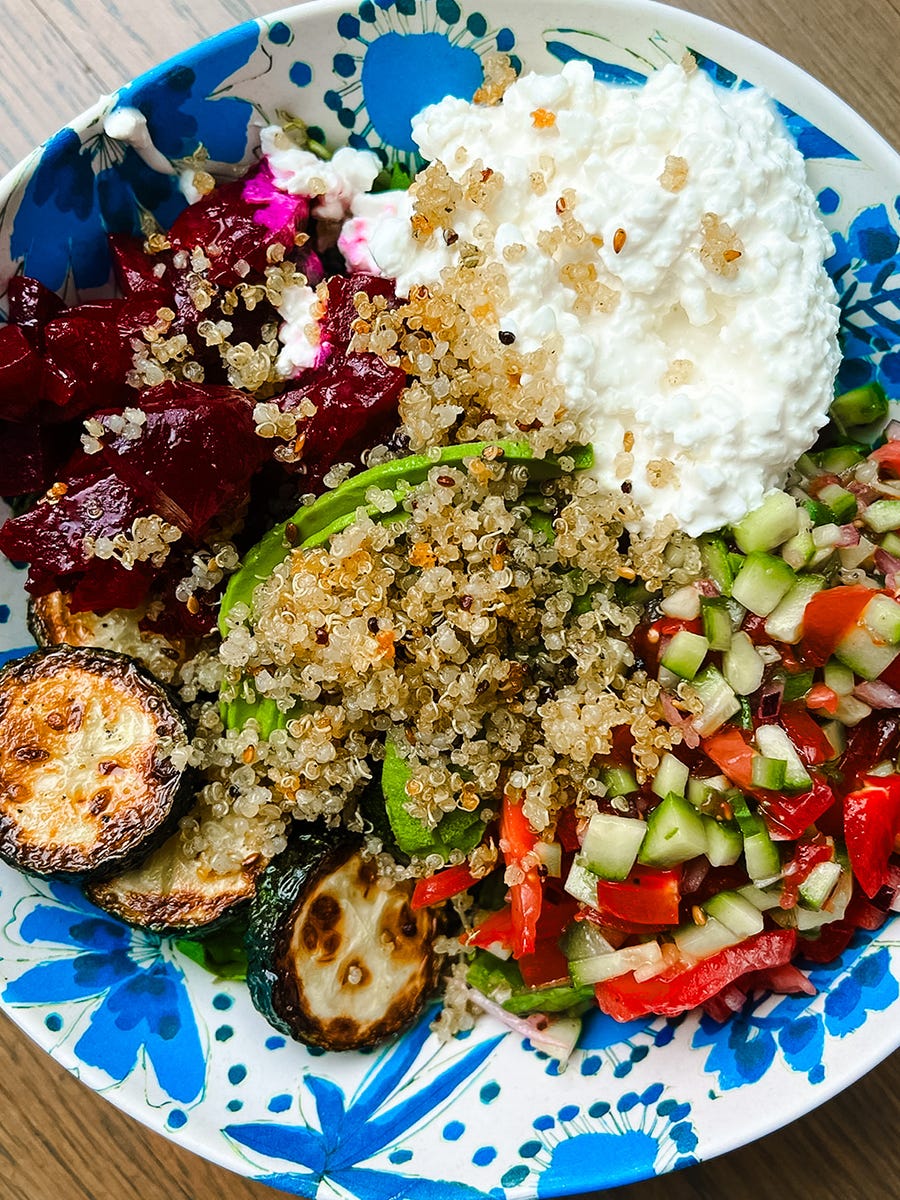
Did you know that quinoa is actually a seed?? (I just learned that.) It’s a great gluten-free way to add a little extra bulk to a salad and make it more filling. It’s also so good mixed with warm veggies. I like to cook it in broth so it absorbs extra flavor.
Benefits: Gluten-free, celebrated for high protein content (about 8 grams for a 1 cup serving), plus fiber and magnesium
Farro
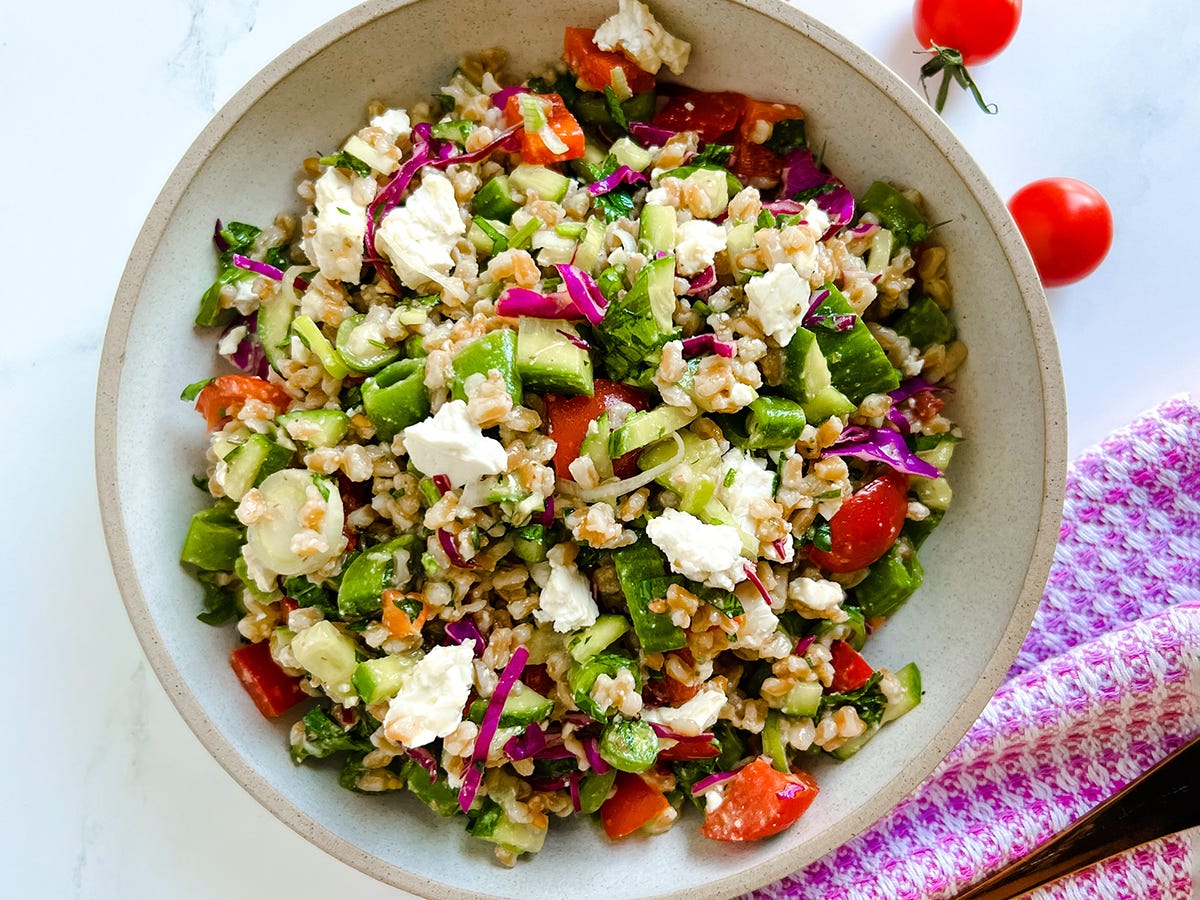
Farro adds a great chew to grain salads, and texturally pairs really well with cabbage and/or kale. It’s my go-to base for grain salads, since it’s a bit bigger than quinoa and chewier than rice. Whole farro has the most nutrients, but also takes the longest time to cook.
Benefits: High in protein (about 7-8 grams for a 1 cup serving of whole farro) and fiber
Bulgur
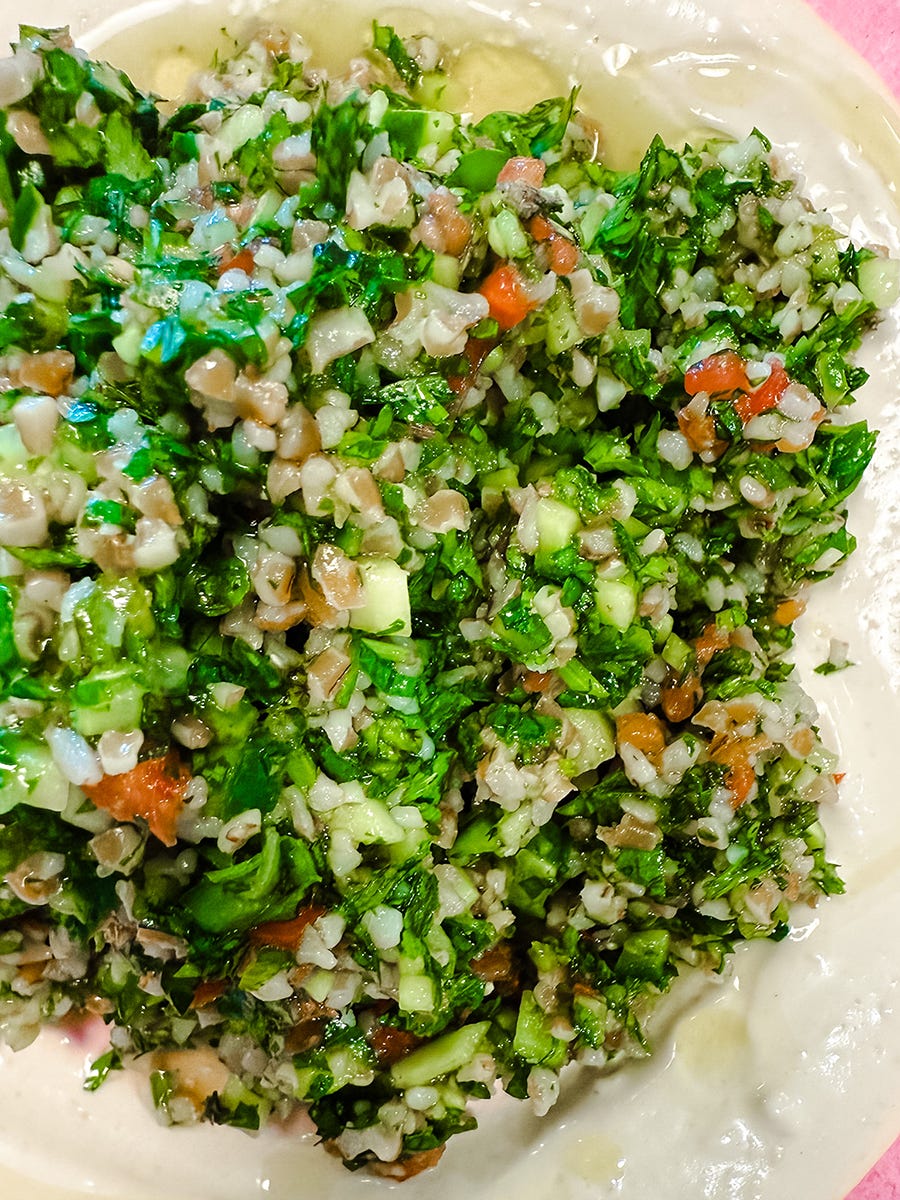
I love adding bulgur to soups, one-pot chickens, and salads. You can often find different types at the store: fine, medium, and coarse. Fine and medium are great for tabbouleh and soup, and it’s quick to make, either on the stove or by soaking in boiling water. Cooked bulgur looks similar to couscous, but has more nutritional benefits.
Benefits: High fiber content, good source of magnesium and iron
Pasta
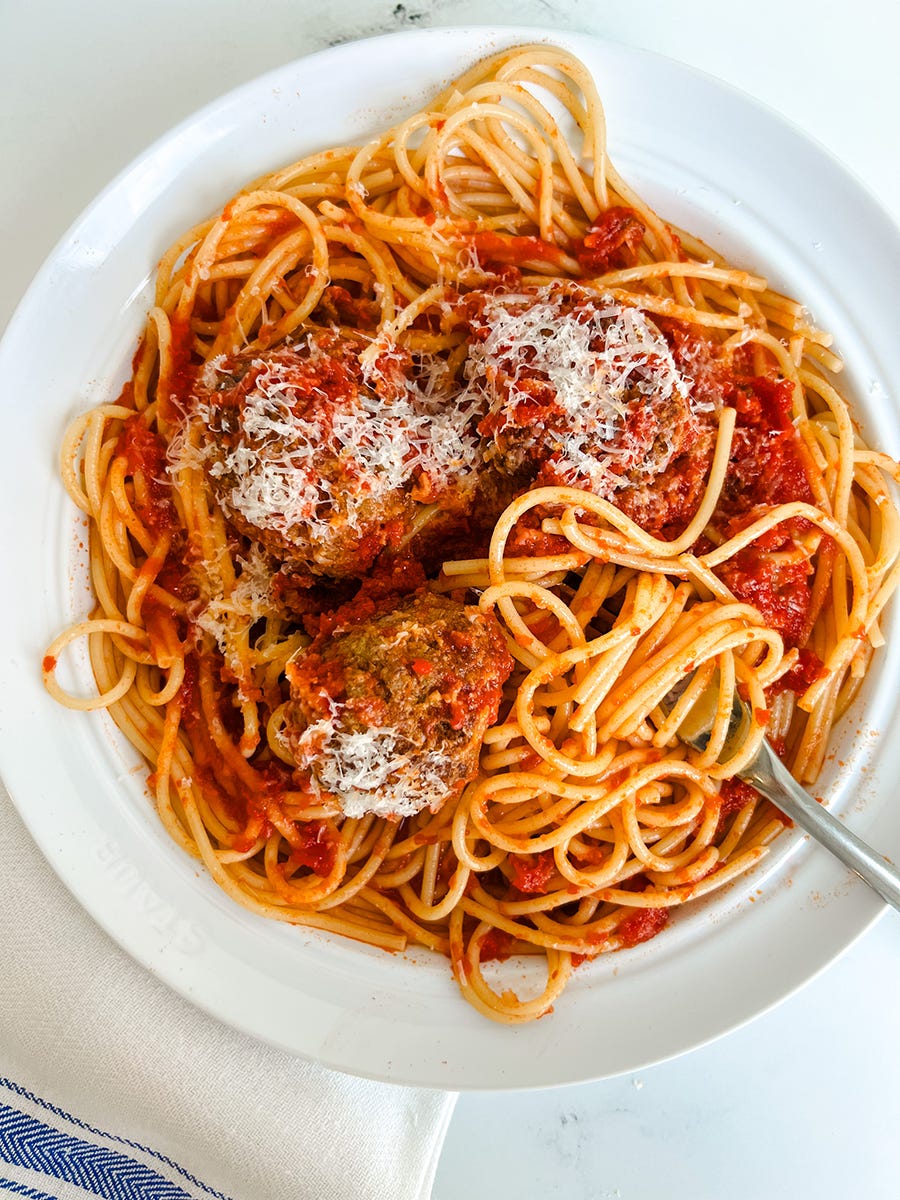
We always have a variety of pasta shapes on hand for easy weeknight dinners—spaghetti, shells, campanelle, cavatappi, and orzo are our go-tos. Cooking times for pasta vary by shape, but of all the grains, this is the easiest to cook. Bring a large pot of water to a boil, add the pasta, and time it based on package instructions. If you’re transferring it to sauce like the Creamy Garden Pasta, take it out a minute ahead of time. Save a cup of pasta water to add to the sauce. It’ll help the sauce cling to the pasta better.
And if you want to add a little joy to your day, Barilla makes playlist timers for different pasta shapes. Here’s the spaghetti mixtape.
Benefits: Refined pasta is usually fortified with vitamins; whole wheat pasta has more fiber and magnesium.


