
Let the Meatballs Roll: A Deep Dive
Posted: | Categories: Substack Archives | Tags:substackI love meatballs because they’re the perfect vessel to deliver my favorite flavor combinations. Combining ground meat with spices, breadcrumbs, and a liquid allows you to create any flavor profile you could imagine.

When I make meatballs, I aim for the right consistency by balancing dry and wet ingredients, then adding flavors from there. There are so many opportunities using ingredients you already have!
Here’s what you’ll learn in today’s deep dive:
-
Must-Have Meatball Ingredients
Swaps & Substitutions
How to Incorporate Veggies
My Three Favorite Meatball Recipes
Creating Your Ideal Flavor Profile
Tools That Make Meatballs Easier
PS - Once you have your meatballs, make sure you have sauce to go with it.

I’m thrilled to share my first Substack giveaway—a 32 oz. bottle of my favorite Vanilla Paste for two lucky subscribers. (It will seriously last you forever.) To enter, leave a comment here telling me what recipes you’ve been making on repeat. I’ll choose the winners randomly next week! *Must be in the US and a paid subscriber to enter.

Let’s dive right in!
Must-Have Meatball Ingredients
Ground Meat: I often use 85/15 lean ground beef, or add lamb if we have it. Ground chicken or turkey will give you a lighter flavor. Feel free to combine lamb & beef, chicken & turkey, or add other ground meat you love. Local butchers often have interesting options!
Garlic & Onions: Every meatball I make has these ingredients. Sometimes I cook the onion with other veggies to add to the mixture, other times I grate the onion and garlic so the flavor melts into the meat as it cooks.
Breadcrumbs: These absorb the juices as the meatballs cook, keeping them juicy. They also help prevent them from falling apart. If you have a stale loaf of bread, blitz it in your blender for fast homemade breadcrumbs.
Egg: Generally, you want to add 1 egg per pound of meat. The egg works with the breadcrumbs to hold everything together and prevent the meatballs from being too dense.
Oil: I add oil for extra moisture, especially when using leaner meats. It can be olive oil, avocado oil, sesame oil, or a different kind.
Fresh Herbs: Add fresh parsley, cilantro, oregano, or any herbs you have or love!
Swaps & Substitutions
Onions: If you don’t have the exact onion required in a recipe, use whatever you have—shallots, leeks, scallions, and red onions can all work in its place. The green tops to leeks and scallions are a great option if you’re on a low FODMAP diet.
Gluten-Free: Since breadcrumbs hold everything together and increase moisture, I’ve swapped it for grated zucchini, which yields juicy meatballs without gluten. You can also use gluten-free breadcrumbs, or blend gluten-free crackers/stale bread.
Egg-Free: Either make a flax egg (1 tablespoon flaxseed meal + 2 ½ tablespoons water, let sit for 5 minutes) for a 1:1 swap or soak two slices of bread in milk to mimic the effects of both the egg and breadcrumbs.

How to Incorporate Veggies
-
Zucchini and eggplant are my favorite vegetables to add to meatballs because they soak up all the delicious flavor and add extra moisture.
Option 1: Grate the zucchini and/or eggplant and add to the meatball mixture directly. It will absorb the meat and onion flavors as the meatballs cook.
Option 2: Finely chop the zucchini and/or eggplant and sauté with onion and garlic until tender. Let cool, then add veggies to a mixing bowl with the meat. This infuses the veg with more flavor before adding it to the mix.

My Three Favorite Meatball Recipes
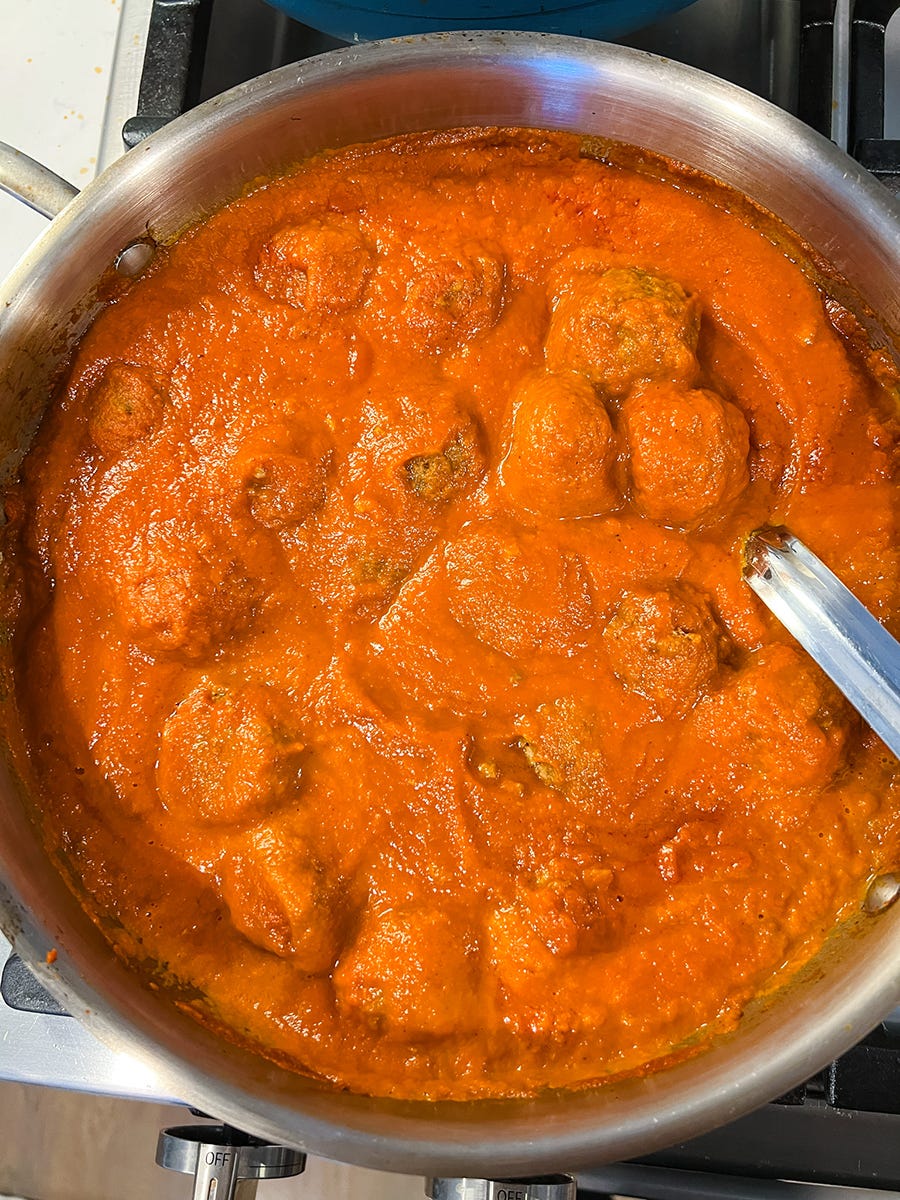
Here are the top three meatball recipes I make for my family. They’re an easy, delicious (and nutritious) dinner we all enjoy. Each recipe uses a different technique outlined in this post so you can taste the difference to find your favorite!
Lamb & Beef Meatballs
Combining different types of meat boosts flavor and helps with texture. An all-beef meatball might be tougher; adding lamb helps tenderize it. These are baked, making it an easy weeknight meal.
Meatballs with Zucchini & Eggplant
If you have a summer squash or eggplant in your fridge, this is a great way to eat it up. Usually I can’t taste the veggies I add to meatballs, but they lighten the meatball and keep it juicy.
Chicken Meatballs in Broth
I cooked these herby meatballs in broth infused with leeks, carrots, and celery, then added rice. It’s not quite a soup, though it could be if you added more broth. Cooking the meatballs in liquid pulls more flavor into each bite and cooks them slower so they aren’t tough.

Creating Your Ideal Flavor Profile
Here’s a little flavor inspiration for you, featuring my favorite combinations:
Classic Italian: Fresh Parsley + Parm/Nutritional Yeast + Lots of Garlic
Asian-Inspired: Cilantro + Soy Sauce/Tamari + Toasted Sesame Oil
-
Add What You Have:
A Spoonful of Pesto (aka built-in herbs, cheese, garlic, and oil)
Onion Powder + Garlic Powder + Sweet Paprika + Fresh Herbs
Your favorite herbs and seasonings

Tools to Make Making Meatballs Easier
Mixing Bowls: Great mixing bowls make cooking such a pleasure.
Gloves: This makes using your hands to mix much easier to clean.
Metal Tongs: Use these to turn your balls in the pan.
Grater: In case you want to add any zucchini or cheese.
Braiser: Great for cooking meatballs in broth or sauce.


